Prone 5e: Standing Up, Crawling, and Attacking
When a creature falls prone, I check how much movement it has left and how far away the attackers are. Those two details tell you whether it can get up and who benefits while it’s down. This guide uses the 2014 D&D 5e rules.
Prone 5e Quick Answer
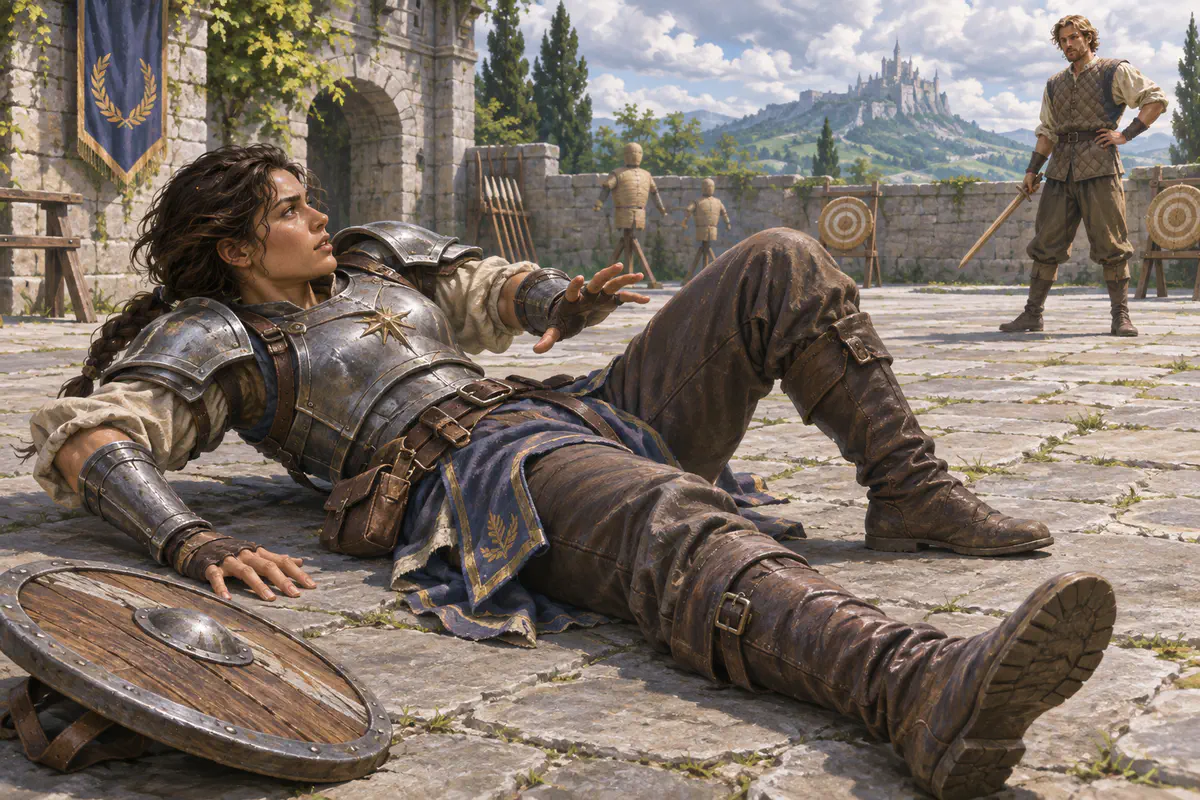
Standing up costs movement equal to half your speed. Until you stand, you crawl to move normally and make attack rolls with disadvantage. Attacks against you have advantage from within 5 feet and disadvantage from farther away. This distance rule applies to melee and ranged attacks alike. 2014 movement rules · 2014 prone condition
How Much Movement Does It Cost to Stand Up?
Spend half your current speed from the movement you still have available. Standing uses movement and leaves your action available. If your speed is 0 or you have too little movement left, you stay prone. You can also drop prone on your turn without spending movement under the 2014 rules.
Example. You have a speed of 30 feet and start your turn prone. Standing costs 15 feet and leaves 15 feet to walk on clear ground. If you already spent 20 feet of movement earlier in the turn before being knocked down, the 10 feet you have left is too little to stand. A Dash can add enough movement to pay the 15-foot cost if your speed remains 30. 2014 movement and Dash
How Far Can You Crawl?
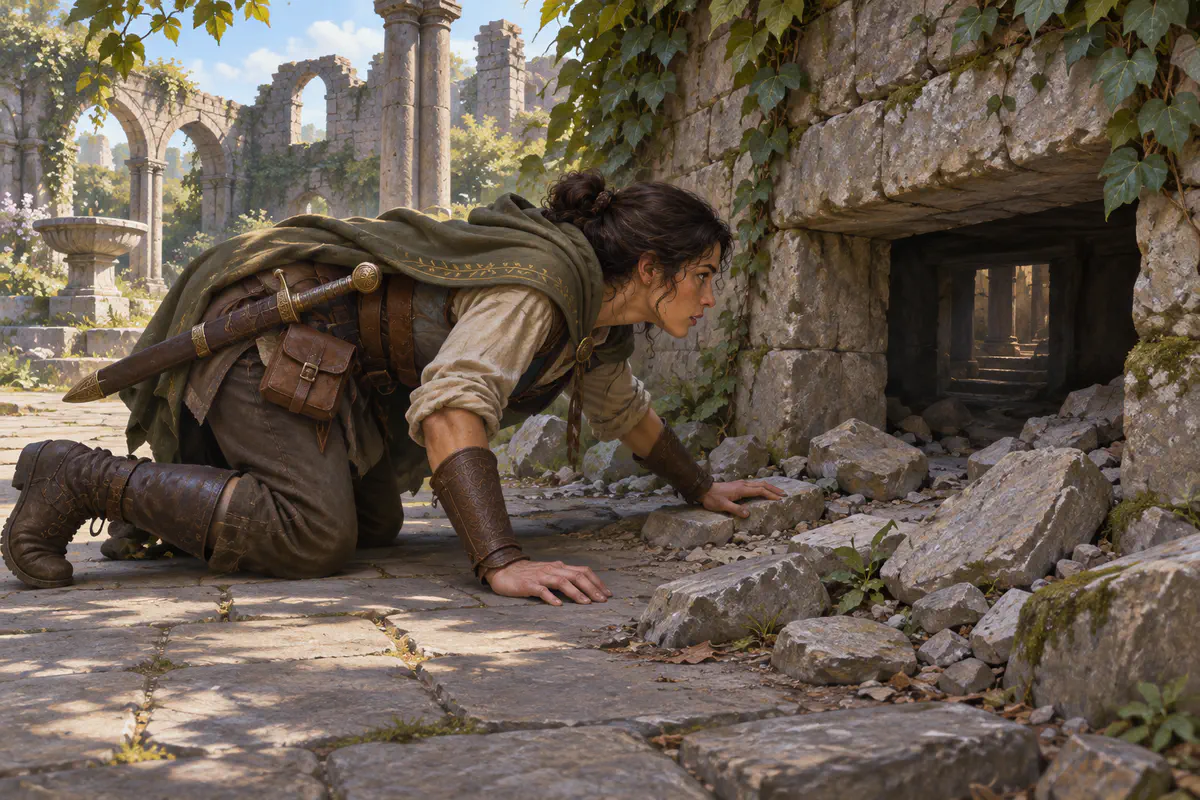
Crawling adds 1 foot of movement cost per foot traveled. Difficult terrain adds another foot to that cost. The costs add together, so every foot you crawl across rubble costs 3 feet of movement. 2014 difficult terrain and crawling
| Path | Movement spent to crawl 5 feet | Distance with 30 feet of movement |
|---|---|---|
| Clear floor | 10 feet | 15 feet |
| Difficult terrain | 15 feet | 10 feet |
If you crawl 5 feet across rubble with a speed of 30 feet, you spend 15 feet of movement. The remaining 15 feet is enough to stand in your new space. If you crawl 10 feet across the same rubble, you’ve spent the full 30 feet and stay prone.
Who Has Advantage Against a Prone Creature?
Measure how far the attacker is from the prone target when the attack is made. A fighter with a glaive can reach a creature 10 feet away, but the attack has disadvantage from Prone at that distance. Moving within 5 feet changes the effect to advantage, assuming the fighter can reach that space and make the attack. 2014 prone condition
A ranged attack from within 5 feet gets the same advantage from Prone. It also has disadvantage if the attacker is within 5 feet of a hostile creature that can see the attacker and is free of the incapacitated condition. A prone enemy who meets those requirements can impose that disadvantage. Apply both rules to the same attack and roll one d20. Ranged combat · Advantage and disadvantage
If you are prone, your own attack rolls have disadvantage, including spell attacks. You can still cast a spell if you meet its requirements. A spell that calls for a saving throw, such as sacred flame, does not use an attack roll. The prone condition by itself leaves saving throws and concentration unchanged. Sacred Flame · Concentration
Can a Grappled Creature Stand Up?
A grapple sets the target’s speed to 0. If the target is also prone, it cannot stand or crawl using that speed. Escaping the grapple on its turn can let it stand immediately if its speed returns and it has enough movement left. 2014 grappled condition · Grapple rules
For example, a 2014 fighter with Extra Attack uses one attack to grapple an eligible creature, then replaces the other with a shove to knock it prone. If both contests succeed, the enemy starts its turn with speed 0 and the prone condition. It can spend its action trying to escape, or use another option its abilities allow. 2014 melee attacks · Shove rules
2014 vs. 2024 Rules
The core effects on movement and attack rolls carry over. The way a basic shove knocks a target prone changes from a 2014 contest to a 2024 saving throw. In 2014, the attacker rolls Strength (Athletics) against the target’s chosen Strength (Athletics) or Dexterity (Acrobatics). In 2024, the shove option of an Unarmed Strike requires the target to make a Strength or Dexterity saving throw of its choice against the attacker’s shove DC. 2014 shoving rules · 2024 Unarmed Strike
The revised rules also add Topple. A character who can use a weapon’s Topple mastery can force a Constitution saving throw after hitting with it. On a failure, the target falls prone. This lets a qualifying attack deal its normal damage and potentially knock the target down in the same hit. 2024 weapon mastery and Topple
Prone FAQ
Does standing up provoke an opportunity attack?
Standing in place does not take you out of an enemy’s reach. Crawling out of that reach can provoke an opportunity attack under the usual rules, even though you’re still prone. Opportunity attacks
Can you teleport while prone?
Yes, if you can use the teleport effect. Teleportation can move you to a new space while prone. You’ll still need to end the condition there unless the effect does so for you. 2014 rules for movement while prone
What happens when a flying creature is knocked prone?
In 2014, a flying creature that falls prone also falls from the air unless it can hover or magic holds it aloft, as with the fly spell. Check the creature’s movement entry and the effect granting flight. 2014 flying movement