Lightning Damage 5e: Rules, Resistance, and Best Uses in D&D
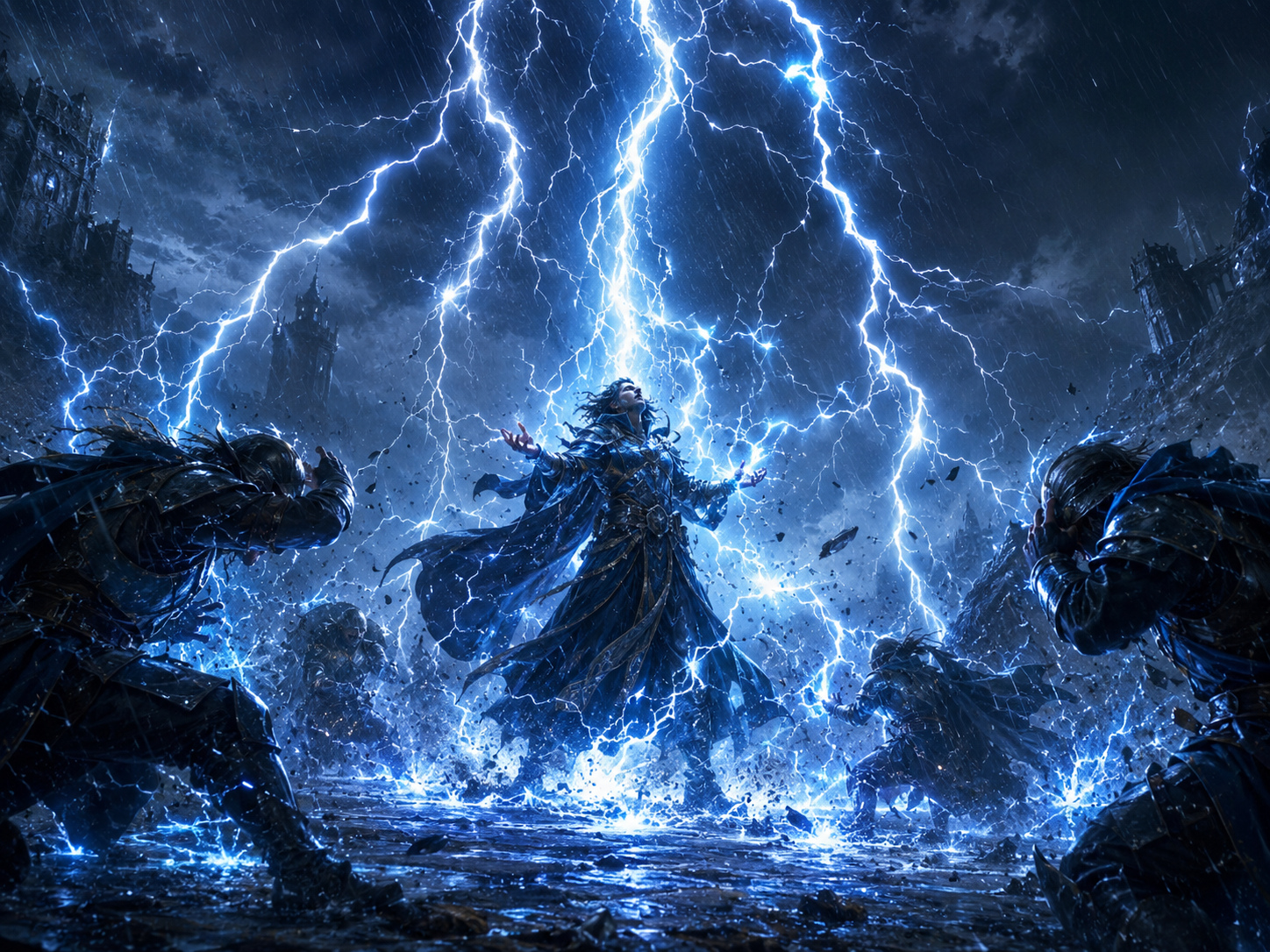
Lightning damage is one of the most dramatic damage types in D&D 5e.
It is the damage of storm magic, crackling energy, divine wrath, and violent elemental force. When a spell feels sudden, explosive, and sharp rather than slow or burning, there is a good chance it deals lightning damage.
That gives lightning a very different feel from fire.
Fire usually feels chaotic and spreading. Lightning feels fast, focused, and violent. It hits like a sudden burst of power rather than a growing blaze. That makes it one of the most satisfying damage types in the game, especially for players who want elemental magic that feels precise and dangerous.
If you want to use lightning damage well, you need to understand three things:
- how it works
- what creatures can resist it
- when it is better than other damage types
Key Takeaways
- Lightning damage is one of the official 5e damage types, usually tied to storm magic, dragons, and electric force.
- It is powerful and flavorful, but it runs into resistance and immunity more often than some players expect. In one SRD-style dataset, 15 monsters resist lightning and 17 are immune.
- Lightning damage is best when you want fast, high-impact elemental offense, especially through line effects, bursts, or storm-themed magic.
- It has fewer iconic spells than fire, but the spells it does have are often memorable and high impact, such as Lightning Bolt, Call Lightning, Chain Lightning, and Shocking Grasp.
- Lightning damage works especially well for storm casters, dragon-themed characters, and high-drama encounters, but it is less dependable in campaigns full of dragons, constructs, or elemental creatures with electrical defenses.
What Is Lightning Damage in 5e?
Lightning damage is one of the official damage types in D&D 5e.
It represents harm caused by electrical force, magical storms, supernatural shock, and violent energy discharge. In actual play, that usually means things like:
- lightning spells
- storm magic
- dragon breath
- crackling magical traps
- electrified creatures
- divine or elemental bolts of power
That makes lightning easy to understand.
If fire is burning and cold is freezing, lightning is the sudden impact of electric force.
How Lightning Damage Works
Mechanically, lightning damage works just like every other damage type.
When lightning damage is dealt, you:
- Roll the damage
- Apply it to the target
- Adjust for resistance, immunity, or vulnerability if relevant
The core 5e rules are straightforward:
- Resistance halves the damage
- Immunity reduces it to zero
- Vulnerability doubles it
Lightning damage does not have a special hidden rule that makes it inherently better or worse than other types. What makes it interesting is where it appears and how often monsters are protected against it.
Why Lightning Damage Feels So Strong
Lightning damage has excellent table presence.
It feels immediate.
A fire spell can spread. A poison effect can linger. Lightning feels like a violent instant — one burst, one strike, one terrible moment of impact.
That makes it especially good for characters and encounters that want to feel:
- explosive
- aggressive
- storm-driven
- elemental
- cinematic
Even when the numbers are similar to other spells, lightning often feels stronger because its flavor is so direct.
Lightning Damage vs Resistance and Immunity
This is the biggest weakness of lightning damage.
Lightning is cool, but it is not universally reliable. In one SRD-style reference set, 15 monsters resist lightning damage and 17 are immune, with 0 vulnerable monsters listed.
That means lightning damage can struggle in the wrong campaign.
You are more likely to run into problems if you face lots of:
- blue dragons
- bronze dragons
- storm giants
- behirs
- djinn
- certain constructs
- certain oozes
- magical creatures tied to storms or electricity
This does not make lightning bad.
It just means you should not build a character who relies on it exclusively without a backup plan.
Resistance
If a creature has lightning resistance, it takes half damage from lightning effects.
Immunity
If a creature has lightning immunity, it takes no lightning damage at all.
Vulnerability
Lightning vulnerability is rare enough that you generally should not count on it. The SRD-style dataset above lists no vulnerable monsters for lightning.
Best Uses for Lightning Damage
Lightning damage shines when you want fast, high-impact elemental offense.
1. Storm-themed spellcasting
Lightning is perfect for characters built around:
- storms
- tempests
- dragon bloodlines
- elemental sorcery
- divine wrath
- sky or sea magic
If your character fantasy is built around power from the sky, lightning damage does a lot of the heavy lifting.
2. Memorable offensive spells
Lightning damage may not have as many iconic options as fire, but the spells it does have are famous for a reason. The SRD-style list includes Shocking Grasp, Lightning Bolt, Call Lightning, and Chain Lightning.
Those spells all feel different from each other, but they share the same core appeal: lightning damage feels sharp and decisive.
3. Enemies grouped in a line or open space
Lightning effects often feel directional or focused rather than spreading everywhere. That gives them a tactical feel that is different from broad fire-based blasting.
4. High-drama encounters
A lightning-based attack instantly raises the intensity of a scene. Whether it comes from a caster, a dragon, or a magical hazard, it feels dangerous the moment it appears.
When Lightning Damage Is the Wrong Choice
Lightning is strong, but it is not always the right answer.
1. When the campaign is full of lightning-resistant enemies
If your DM is clearly running a storm-heavy or dragon-heavy campaign, lightning damage becomes less dependable.
2. When you want a broad “default” damage type
Force and radiant are often easier to trust against a wider range of enemies. Lightning is more matchup-dependent.
3. When your goal is spreading battlefield control
Lightning usually feels more like a strike than a field effect. If you want damage that naturally suggests ongoing area denial, fire and cold often fit better.
Lightning Damage in the Environment
Lightning damage is not just for spells.
It also works well as an environmental danger.
Examples include:
- storm-wracked rooftops
- magical lightning conductors
- trapped towers
- sea cliffs during a supernatural storm
- charged crystals
- unstable arcane machines
- temple rituals gone wrong
Lightning hazards are especially good when you want combat to feel unpredictable and dangerous without covering the battlefield in fire or ice.
Because lightning feels sudden, it pairs well with encounters that need bursts of urgency rather than slow escalation.
Lightning Damage Compared to Other Damage Types
Understanding lightning gets easier when you compare it directly to other common options.
Lightning vs Fire
Fire is usually broader and more explosive.
Lightning is faster, sharper, and often feels more precise.
Lightning vs Cold
Cold feels harsh and controlling.
Lightning feels sudden and violent.
Lightning vs Thunder
These two are often confused, but they are not the same. Lightning is electrical force. Thunder is sound and concussive shock. Lightning feels like the strike. Thunder feels like the impact and roar afterward.
Lightning vs Force
Force is usually more reliable.
Lightning is more thematic and more visually dramatic.
Is Lightning Damage Good in 5e?
Yes — lightning damage is good in 5e.
Its biggest strengths are:
- strong elemental identity
- memorable spell support
- high-drama flavor
- excellent fit for storm and dragon themes
- satisfying offensive feel
Its biggest weakness is reliability. It faces enough resistance and immunity that you should not treat it like a universal answer.
That does not make lightning weak.
It makes lightning a damage type that works best when it supports a strong fantasy and when your build has at least one alternative plan.
Final Thoughts
Lightning damage is one of the most exciting damage types in D&D 5e.
It may not be as universally dependable as force or radiant, and it may not have as many classic spells as fire, but it does something many damage types do not:
it makes every hit feel dramatic.
That matters.
Lightning is ideal for players who want elemental magic that feels fast, violent, and powerful. It is also a fantastic tool for DMs who want storm-themed monsters, dangerous magical hazards, and encounters that feel charged with energy.
If you want a damage type that feels sharp, cinematic, and unmistakably magical, lightning is one of the best options in the game.