Fire Damage 5e: Rules, Resistance, and Best Uses in D&D
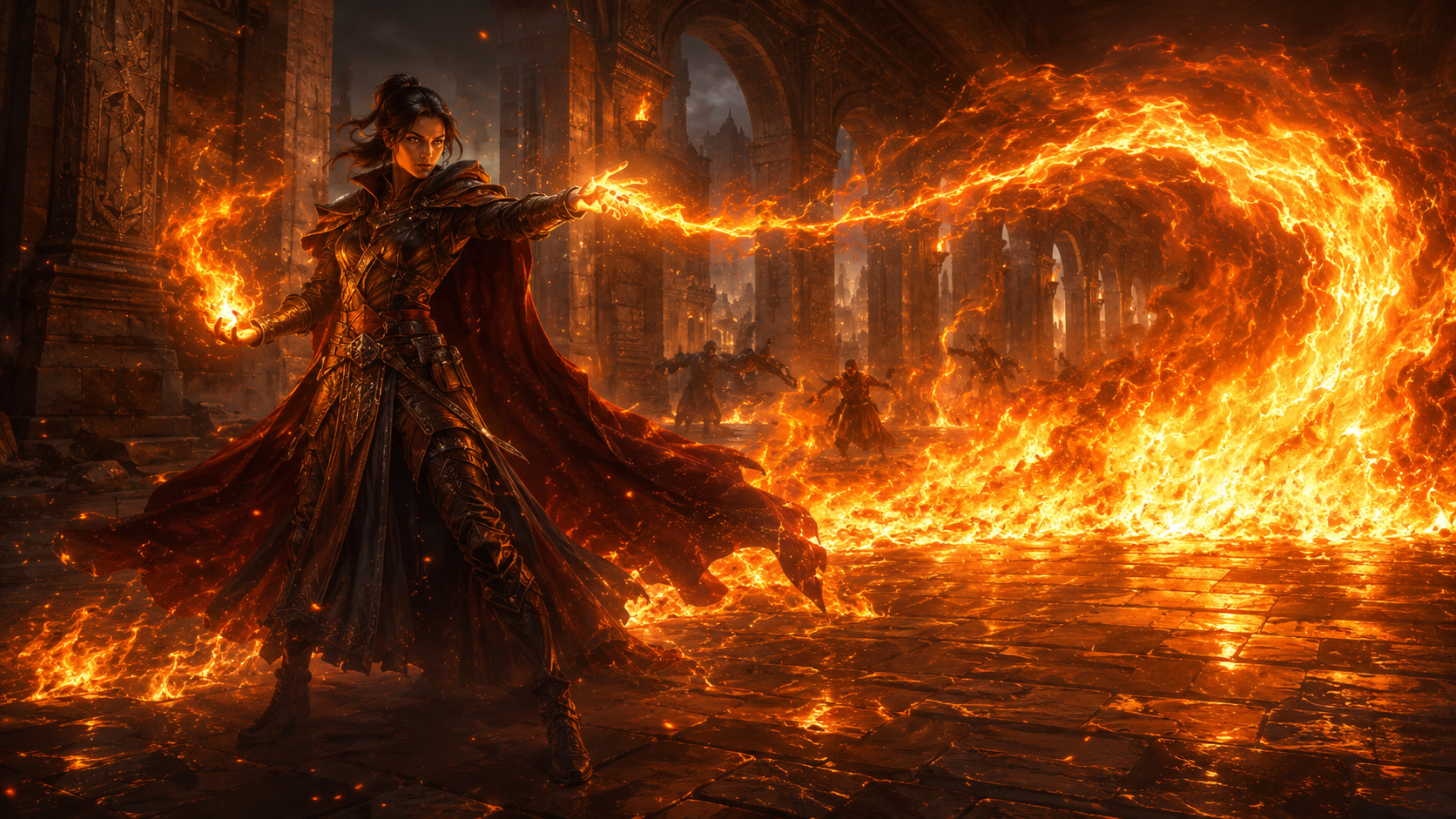
Fire damage is one of the most iconic damage types in D&D 5e.
It is explosive, easy to picture, and attached to some of the most famous spells in the game. When players think about destructive magic, they often think about fire first.
But fire damage is not just popular because it is flashy.
It is also one of the most important damage types to understand because it shows up in so many parts of the game: spells, traps, monster abilities, dragon breath, lava, burning buildings, and magical hazards. Whether you are a player choosing spells or a Dungeon Master building encounters, fire damage matters.
If you want to use it well, you need to understand three things:
- how fire damage works
- what creatures can resist it
- when it is the best tool for the job
Key Takeaways
- Fire damage is one of the most common damage types in D&D 5e.
- It is excellent for direct damage, area spells, and dangerous environments.
- Many creatures resist or ignore fire damage, so it is powerful but not always reliable.
- Fire works best when you want immediate pressure, clear threat, and strong visual impact.
- It is one of the easiest damage types for DMs to use in hazards and encounter design.
What Is Fire Damage in 5e?
Fire damage is one of the official damage types in D&D 5e. Like all damage types, it matters because some creatures have resistance, immunity, or occasionally vulnerability to it.
In simple terms:
- Resistance means the creature takes half damage
- Immunity means the creature takes no damage
- Vulnerability means the creature takes double damage
Fire damage covers any effect based on heat, flames, burning, or supernatural fire.
That includes things like:
- fire spells
- dragon breath
- lava
- burning oil
- alchemical explosions
- flaming weapons
- environmental fire hazards
Because of that, fire is one of the broadest and most recognizable damage types in the game.
Why Fire Damage Is So Common
Fire is everywhere in fantasy.
It makes sense in combat, it makes sense in traps, and it makes sense in the environment. A magical explosion, a burning cathedral, a forge room, or a red dragon’s breath weapon all feel natural in D&D.
That makes fire damage useful for both sides of the screen.
For players
Fire damage is popular because it offers:
- strong offensive spells
- easy-to-understand effects
- dramatic battlefield presence
- reliable damage against groups
For Dungeon Masters
Fire damage is useful because it creates:
- urgent hazards
- memorable terrain
- pressure during combat
- scenes players instantly understand
A room filling with flame needs very little explanation. Players know immediately that the situation is dangerous.
How Fire Damage Works
Mechanically, fire damage works just like any other damage type.
When a fire effect hits, you:
- Roll the damage
- Apply it to the target
- Adjust for resistance, immunity, or vulnerability if needed
There are no special core rules that make fire damage more complicated than acid, cold, or lightning.
What makes fire stand out is how often it appears — and how often creatures are designed to resist it.
That means fire damage is easy to use, but not always the most dependable option in every campaign.
Fire Resistance and Immunity
This is the biggest weakness of fire damage.
Fire is powerful, but it is also one of the damage types most likely to run into resistance or immunity.
That matters because some campaigns naturally include lots of enemies that are built to shrug off flame.
Fire resistance
If a creature has fire resistance, it takes only half damage from fire effects.
A fire spell that would normally deal 24 damage only deals 12 instead.
Fire immunity
If a creature has fire immunity, it takes no fire damage at all.
That same fire spell deals nothing.
Why this matters in actual play
Fire damage becomes much less reliable when your campaign features lots of:
- fiends
- devils
- fire elementals
- salamanders
- red dragons
- volcanic creatures
- enemies tied to infernal or fiery environments
This does not make fire bad.
It just means fire should not be your only answer to every problem.
If your character relies heavily on fire spells, it is smart to keep at least one backup option that uses a different damage type.
When Fire Damage Is Best
Fire damage shines when you want to apply immediate, aggressive pressure.
1. Hitting multiple enemies
Fire is one of the best damage types for blasting groups.
That is a big reason why so many famous area spells use fire. It feels destructive, fast, and satisfying.
2. Making the battlefield feel dangerous
Fire changes player behavior quickly.
Even if the raw damage is not massive, visible flames create urgency. Players move differently when the room is burning.
3. Creating strong visual moments
Fire is easy to imagine. It gives spells and encounters a clear identity.
A character who fights with fire feels intense and destructive. A battlefield full of flame feels chaotic and dangerous.
4. Environmental danger
Fire is one of the easiest damage types for DMs to use in hazards.
It fits naturally into:
- burning buildings
- infernal temples
- forge chambers
- ship fires
- lava caverns
- alchemical labs
- wildfire encounters
That makes fire damage one of the most flexible tools in encounter design.
When Fire Damage Is a Bad Choice
Fire is strong, but it is not always the right answer.
1. When enemies clearly resist it
If the campaign is full of fiery creatures, infernal enemies, or monsters associated with heat, fire becomes much less dependable.
2. When you need guaranteed value
If the whole plan depends on the damage landing, fire can be risky against the wrong enemies.
A less commonly resisted damage type may be safer.
3. When you want control instead of destruction
Fire usually focuses on pressure and damage.
If your goal is slowing enemies, disabling them, or reshaping the battlefield in a more controlled way, another spell or damage type might fit better.
Fire Damage in the Environment
This is where fire damage becomes especially useful for Dungeon Masters.
Fire is one of the easiest ways to make a scene feel active and dangerous. Unlike some damage types, it naturally affects the space around the characters.
Examples of environmental fire damage include:
- burning floors
- flaming debris
- tipped braziers
- spreading oil fires
- collapsing roofs in a blaze
- erupting lava vents
- magical flames that fill a chamber
Fire hazards also pair well with time pressure.
A fight feels very different when the party is not just defeating enemies, but also trying to escape a structure that is actively burning around them.
That makes fire one of the best damage types for encounter design, not just spellcasting.
Fire Damage Compared to Other Damage Types
Fire is strong, but part of understanding it well is knowing what makes it different from other common options.
Fire vs Force
Force is usually more reliable because fewer things resist it.
Fire is more common, more thematic, and often better at creating spectacle.
Fire vs Cold
Fire feels more explosive and aggressive.
Cold often feels more controlled, and many cold-based effects lean into slowing, endurance, or battlefield control.
Fire vs Lightning
Lightning often feels sharper and more focused.
Fire tends to dominate in broader, more destructive spell effects.
Fire vs Poison
Fire is usually easier to use well.
Poison runs into more common defenses and often feels less reliable unless your build is designed around it.
Is Fire Damage Good in 5e?
Yes — fire damage is very good in 5e.
It is one of the most useful and satisfying damage types in the game because it combines:
- strong offensive potential
- easy visual clarity
- great area damage
- strong environmental use
- memorable spellcasting moments
Its main weakness is that it is so common that many creatures are built to resist it.
That makes fire a powerful damage type, but not a perfect one.
If you use it intelligently, though, it can be one of the most effective and exciting tools in the game.
Final Thoughts
Fire damage is iconic for a reason.
It is easy to understand, exciting to use, and naturally dramatic at the table. It works for players who want explosive offensive magic, and it works for Dungeon Masters who want encounters to feel dangerous and urgent.
The main tradeoff is reliability. Because fire is so common, many enemies are prepared for it.
That does not make fire weak.
It makes fire a damage type that rewards smart choices.
If you want direct damage, strong battlefield presence, and some of the most memorable spells in D&D 5e, fire damage remains one of the best options in the game.