Animate Objects 5e: Object Sizes, Commands, and Damage
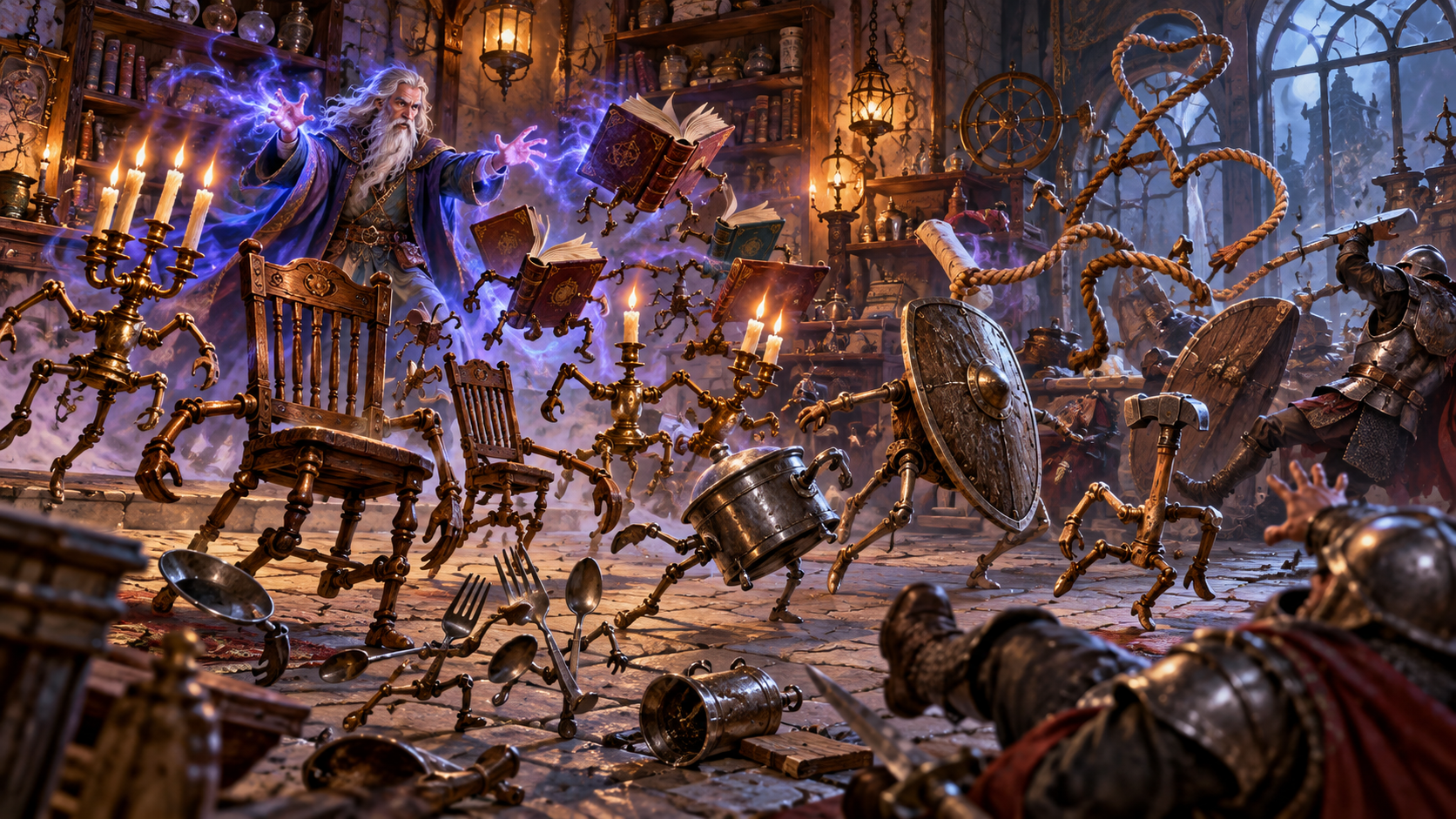
I’ve always loved spells that turn the scenery into part of the encounter, and Animate Objects makes almost any room feel alive. A handful of coins, a row of chairs, or one massive statue can become a temporary force of constructs under the caster’s command. That flexibility is powerful, but size, object count, concentration, and bonus-action commands all shape how the spell actually works.
Animate Objects 5e — Quick Spell Reference
| Casting Time | 1 action |
|---|---|
| Range | 120 feet |
| Components | V, S |
| Duration | Up to 1 minute |
| Concentration | Yes |
| Ritual | No |
| Classes | Bard, Sorcerer, Wizard |
| Source | Player's Handbook (2014), pg. 213 |
How Does Animate Objects Work in 5e?
The caster chooses up to ten nonmagical objects within 120 feet that are not being worn or carried. Each object animates as a creature under the caster’s control until the spell ends or that animated object falls to 0 hit points. No object larger than Huge can be chosen.
Object size determines how much of the spell’s ten-object allowance it uses:
| Object size | Allowance used |
|---|---|
| Tiny or Small | 1 object |
| Medium | 2 objects |
| Large | 4 objects |
| Huge | 8 objects |
The choices can be mixed as long as their total cost does not exceed the allowance. Ten Tiny objects, five Medium objects, two Large objects plus two Tiny objects, or one Huge object plus two Tiny objects are all valid examples.
Every target must be an object when the spell is cast. A corpse is an object under the usual rules once it is no longer a creature, but a creature cannot be selected merely because it is motionless. The spell also cannot seize an enemy’s worn armor, held weapon, or carried equipment.
What Statistics Do Animated Objects Use?
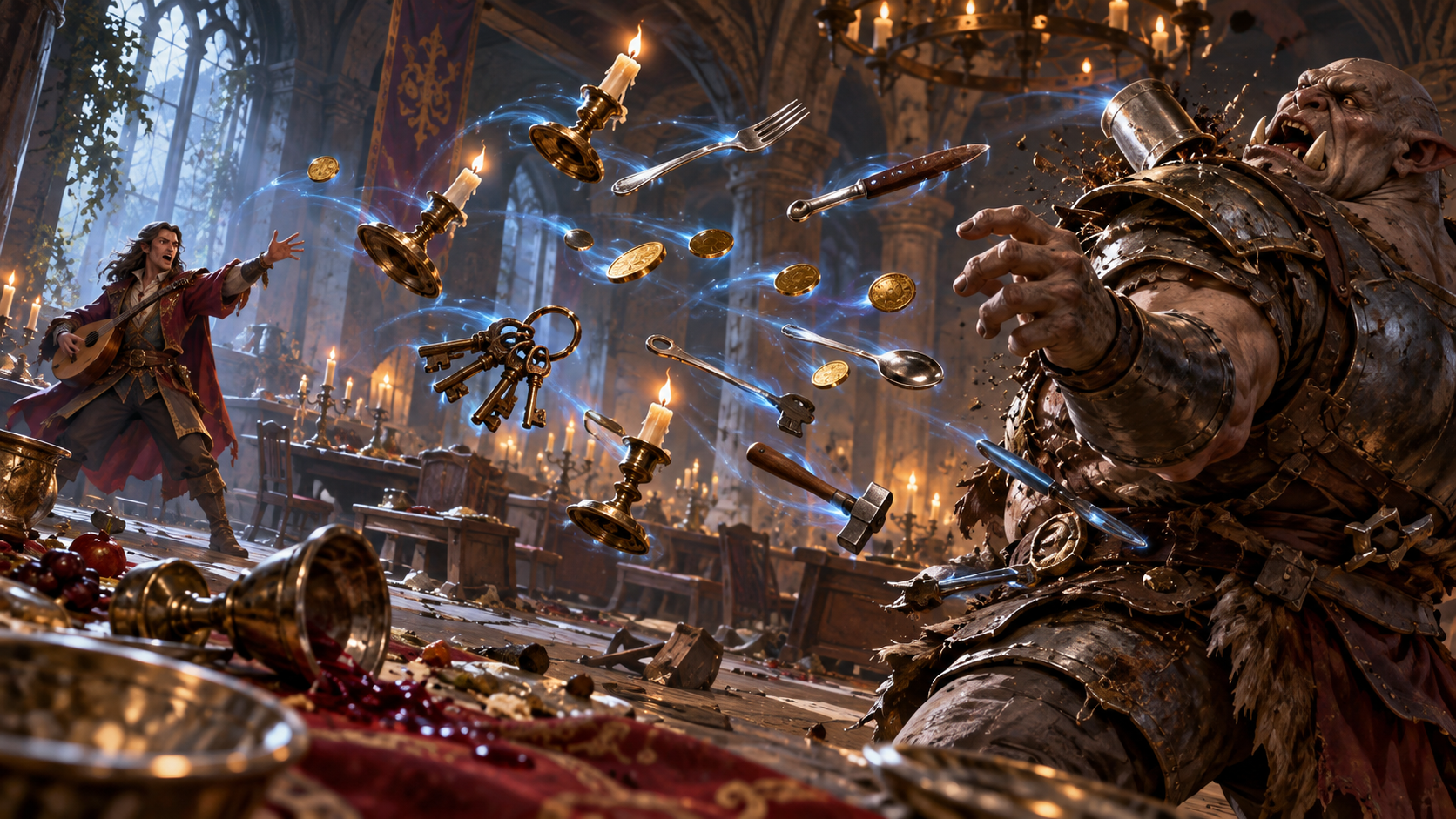
Every target becomes a Construct. Its size determines its Armor Class, hit points, Strength, Dexterity, attack bonus, and slam damage.
| Size | AC | HP | Attack bonus | Slam damage |
|---|---|---|---|---|
| Tiny | 18 | 20 | +8 | 1d4 + 4 |
| Small | 16 | 25 | +6 | 1d8 + 2 |
| Medium | 13 | 40 | +5 | 2d6 + 1 |
| Large | 10 | 50 | +6 | 2d10 + 2 |
| Huge | 10 | 80 | +8 | 2d12 + 4 |
An animated object has Constitution 10, Intelligence and Wisdom 3, and Charisma 1. It has blindsight to 30 feet and is blind beyond that range.
Its normal speed is 30 feet. An object without legs or another way to move has a 30-foot flying speed and can hover instead. An object securely attached to a surface or larger object has a speed of 0.
The objects retain their physical forms, but the spell supplies their game statistics. A sharp or pointed form does not increase the listed damage dice; it only gives the DM a reason to change the Slam’s damage type from bludgeoning to piercing or slashing.
How Do Commands and Initiative Work?
The caster uses a bonus action to mentally command any or all animated objects within 500 feet. When commanding several at once, the caster gives them the same instruction. The order determines the action each takes and where it moves on its next turn, and a general order can continue until completed.
Without a command, an object only defends itself against hostile creatures. The 2014 spell does not say the objects share the caster’s initiative, so the DM handles their initiative under the normal rules for the creatures the spell creates.
The objects obey a general command until the task is complete, so the caster does not necessarily spend a bonus action every round. A command such as “attack that ogre” can continue while the ogre remains a valid target. A new target, retreat, formation, or other changed instruction requires another bonus action, and only objects within 500 feet receive it.
Each object commanded to attack makes one melee slam against a creature within 5 feet. The default damage is bludgeoning, although the DM can rule that a particular form deals piercing or slashing damage instead.
Do Animated Objects Make Opportunity Attacks?
They are creatures while animated and follow the normal combat rules unless the spell says otherwise. That means an object can make an opportunity attack with its reaction when a visible hostile creature willingly leaves its reach. It still has only one reaction per round, and the spell grants no special Multiattack action.
The animated objects can also be targeted, damaged, and affected by spells that can affect Constructs. Their blindsight ends at 30 feet, and they are blind beyond that radius, which can restrict both attacks and opportunity attacks.
What Happens When Concentration Ends?
Animate Objects requires concentration for up to 1 minute. Losing concentration returns every surviving target to its ordinary object form.
An animated object that reaches 0 hit points also reverts immediately. Any damage left over after reducing the Construct to 0 carries over to the original object, which may matter for fragile or valuable targets.
The spell cannot target an object currently worn or carried. Dropping or placing an item can make it eligible for a later casting, but the caster cannot animate an enemy’s equipped weapon, armor, or held item directly.
Casting at Higher Levels
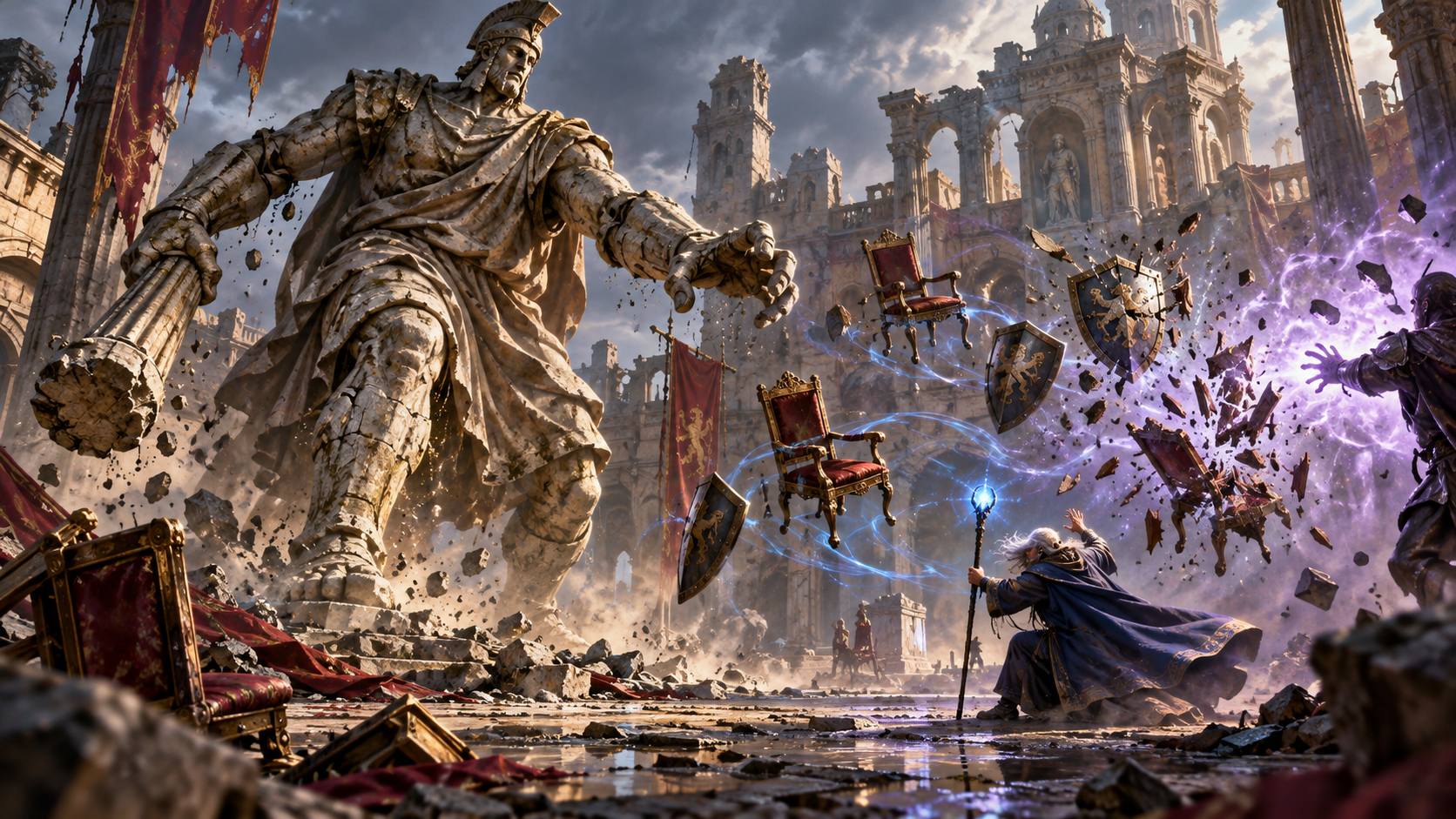
For each slot level above 5th, the object allowance increases by two. The individual stat blocks and damage do not improve.
| Spell slot | Total object allowance |
|---|---|
| 5th | 10 |
| 6th | 12 |
| 7th | 14 |
| 8th | 16 |
| 9th | 18 |
Animate Objects: 2014 vs. 2024 Rules
The 2024 spell is substantially redesigned. It creates fewer, standardized Constructs and changes higher-level casting from additional creatures to increased damage.
| Rule | 2014 version | 2024 version |
|---|---|---|
| Maximum targets | Ten object points, with larger objects costing more | Number of objects equal to spellcasting ability modifier |
| Eligible sizes | Tiny through Huge | Huge or smaller; fixed objects and Gargantuan objects excluded |
| Statistics | Separate values for five sizes | One Animated Object stat block with size-based HP and damage |
| Initiative | No special initiative rule | Objects act immediately after the caster on the same initiative count |
| No command | Defends itself | Takes Dodge and moves only to avoid harm |
| Upcasting | Two more object points per slot level | Slam damage increases by size |
The 2024 version also uses the caster’s spell attack modifier for Slam attacks and gives the Constructs a defined set of immunities. This page’s spelltable and statistics use the 2014 version.
Tactical Uses and Limitations
Many small objects produce more attacks, while larger objects offer more hit points and heavier individual blows. The best choice depends on enemy defenses, available objects, battlefield space, and how much time the group wants to spend resolving separate creatures.
The spell is vulnerable to lost concentration and area damage. Its creatures also have only 30 feet of blindsight, need bonus-action commands for useful new orders, and can be blocked by physical terrain like other creatures.
FAQ
Can Animate Objects target a magic item?
No. The 2014 spell requires nonmagical objects.
Can it animate an enemy’s weapon or armor?
Not while that object is being worn or carried.
Do the objects need legs to move?
No. An object without useful appendages gains a 30-foot flying speed and can hover, unless it is securely attached to something larger.
Can every object receive a different command?
Not in the same bonus action. When commanding multiple objects together, the caster issues the same command to all of them.